Best Electric Pasta Machines for Fast, Low-Effort Homemade Pasta
Electric pasta machines make fresh noodles more approachable by handling the most tiring parts of the process: mixing, kneading, rolling, or extruding. The best choice depends on the kind of pasta you want to make and how much control you expect over the dough. An automatic extruder is usually the fastest route from ingredients to shaped pasta, while a motorized roller is better suited to lasagna sheets, fettuccine, and cooks who prefer to adjust thickness by hand. This guide focuses on the practical differences that matter when comparing pasta machines, including speed, consistency, capacity, cleanup, noise, and countertop storage.
How Electric Pasta Machines Work
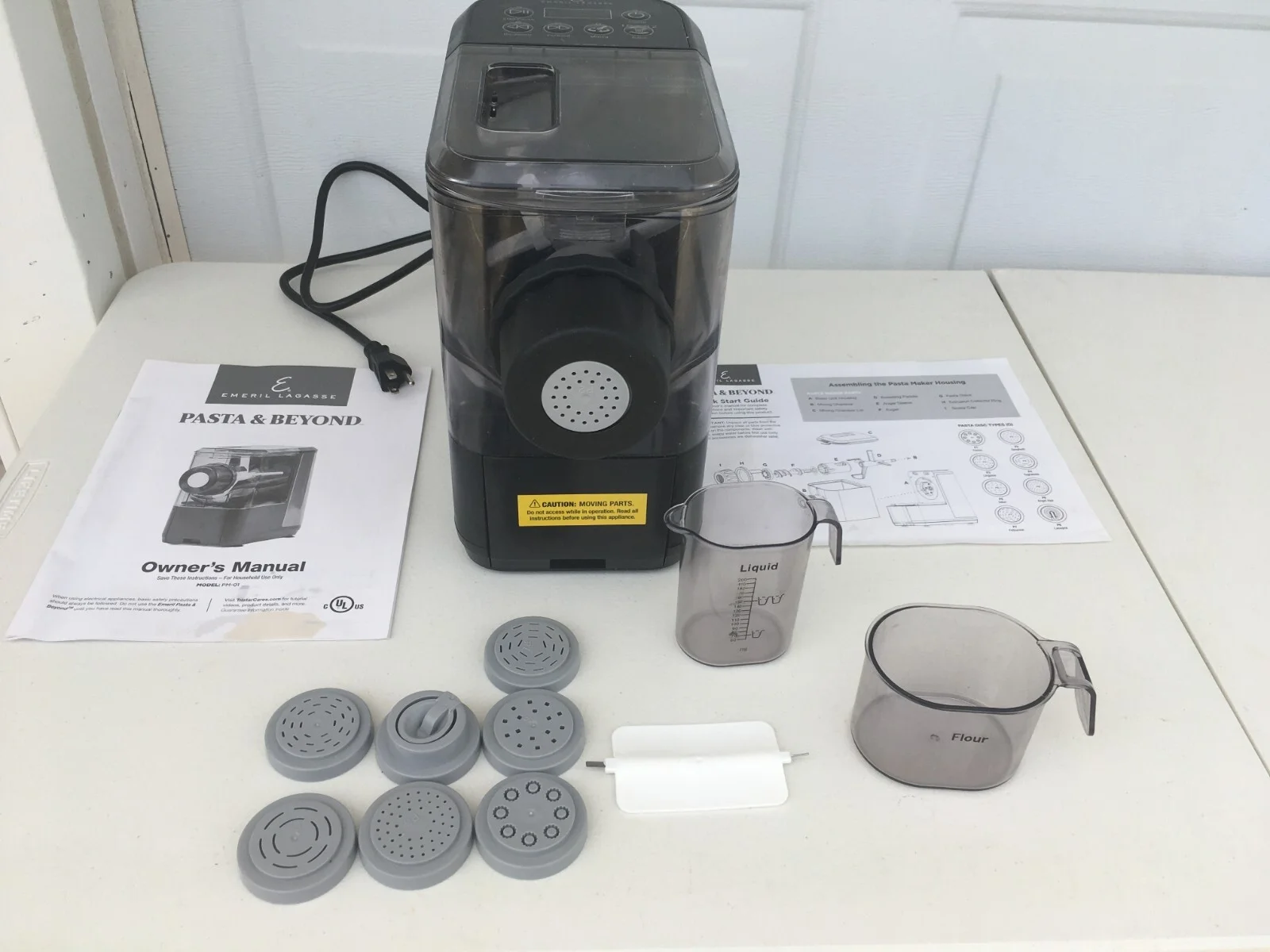
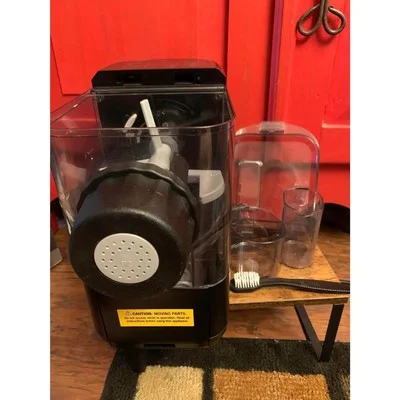
Most electric models fall into one of two categories. An automatic extrusion machine combines flour and liquid, kneads the dough, and pushes it through a shaped die to produce noodles. Depending on the die, it may make spaghetti, penne-style tubes, macaroni, or other forms. This design minimizes manual work and can be especially convenient when making several portions for a family meal. It also tends to produce a denser, more rustic texture because the dough is forced through an opening rather than stretched into a sheet.
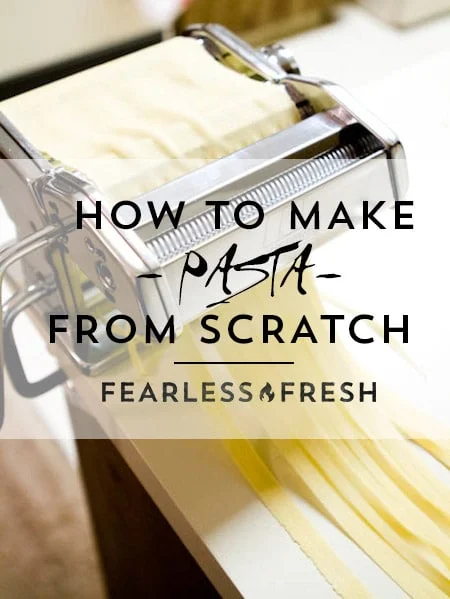
A motorized rolling machine uses a powered roller to flatten dough into sheets. Some models include cutting attachments for noodles, while others accept accessories for different shapes. The dough normally needs to be mixed and kneaded separately, either by hand or with a stand mixer, before it enters the rollers. That extra step takes longer, but rolling provides more direct control over thickness and is the more flexible approach for filled pasta such as ravioli or tortellini.
When shopping, note that names such as Pasta Maker and Pasta Maker Machine can describe either style. Read the preparation steps and included accessories rather than relying on the label. A machine that mixes, kneads, and extrudes is a very different purchase from a motorized roller that only processes prepared dough.
Best Features for Fast and Consistent Results
A useful electric machine should simplify the process without making dough management confusing. Automatic programs are valuable when they control mixing and kneading in a logical sequence, but manual controls are also important for adjusting liquid gradually or stopping the machine when the dough needs attention. Look for clearly labeled settings, an easy-to-read timer or indicator, and a design that lets you inspect the dough before extrusion or rolling.
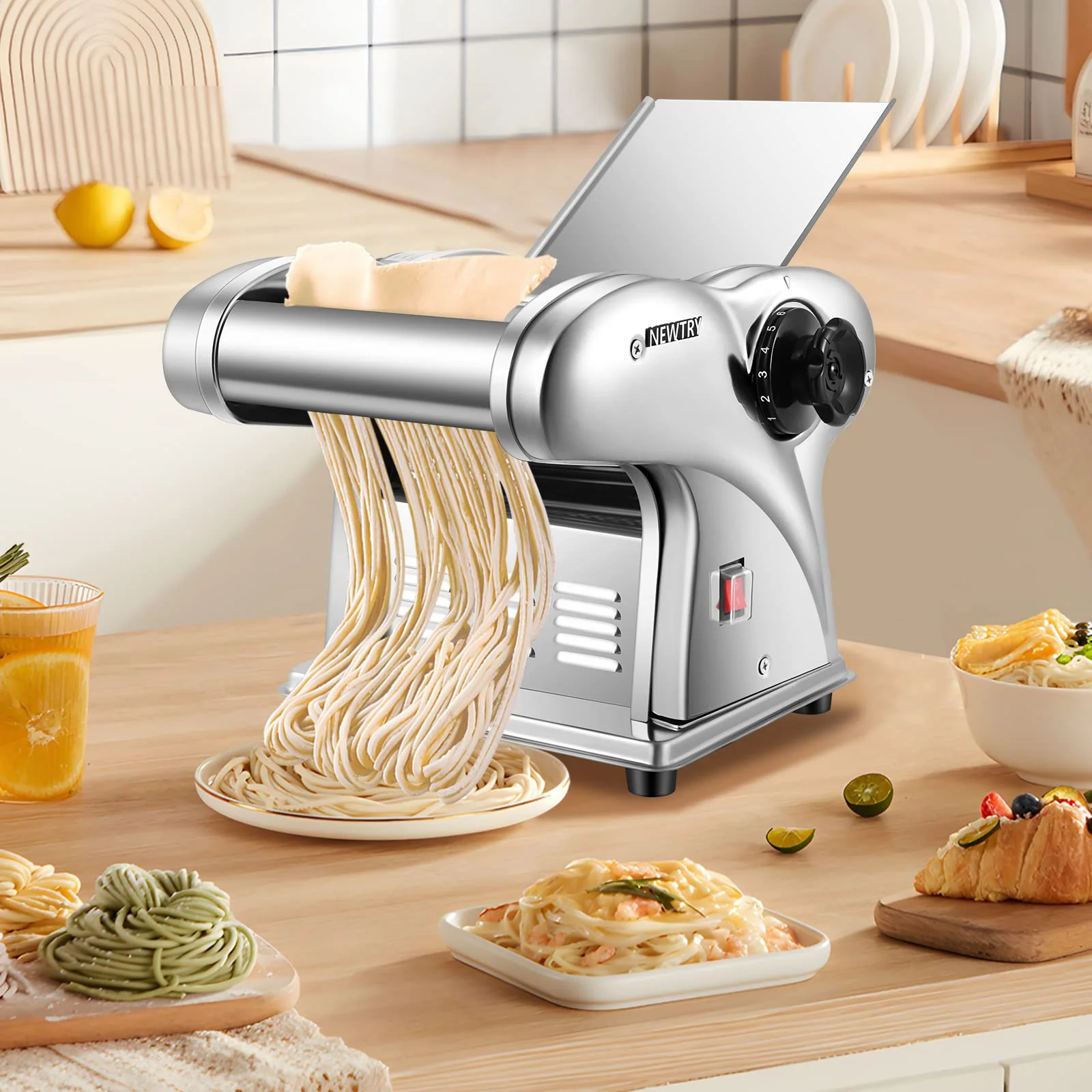
Capacity should match the number of people you normally serve. A small bowl or mixing chamber may be adequate for one or two portions and can be easier to store. Larger chambers are more efficient for family meals, but they require more counter space and may leave more dough residue around the mixing area. Check whether the stated capacity refers to dry flour, total dough, or finished pasta; these figures are not interchangeable.
The included dies or cutters can be more important than the motor rating. Extrusion dies determine which shapes are possible, while roller widths and cutting attachments determine whether you can make narrow noodles, wider ribbons, or sheets. A 3-piece pasta roller attachment set may be sufficient for basic sheets, fettuccine, and spaghetti, but it will not offer the same shape range as a dedicated extruder with multiple dies. Replacement accessories are worth checking before purchase because availability and price vary considerably.
Construction also affects consistency. A stable base, non-slip feet, and a bowl that locks securely into place help prevent movement when the dough is stiff. For roller machines, a firm clamp or broad base is useful because uneven pressure can create sheets that are thicker on one side. Avoid choosing solely by wattage. A powerful motor is helpful, but dough design, gearing, and the machine’s ability to maintain steady pressure matter just as much.
Automatic Extrusion vs. Motorized Rolling Machines
Automatic extrusion is the better fit for speed and low effort. Once the ingredients are measured, the machine can produce a batch with relatively little hands-on work. It is particularly practical for short shapes and repeatable portions. The tradeoff is that the dough formula must be compatible with the machine, and changing shapes may require cleaning or replacing dies. Extruded pasta can also be less suitable when your main goal is delicate sheets for filled pasta.
Motorized rolling machines appeal to cooks who want versatility and a more traditional workflow. You can change thickness gradually, cut sheets into different widths, and use the dough for lasagna or hand-shaped pasta. They are often easier to understand because each stage is visible. However, they do not usually eliminate preparation work, and a roller can be frustrating if the dough is too wet, too dry, or insufficiently kneaded. Some attachments are designed for specific stand mixers, so confirm compatibility before treating a roller accessory as a standalone appliance.
Fante's is a useful name to consider when browsing traditional pasta-making equipment and accessories, while KitchenAid is commonly associated with powered stand-mixer attachments and integrated kitchen workflows. TECHTONGDA appears in the broader equipment market, where buyers should pay close attention to included dies, controls, dimensions, and electrical specifications. Brand recognition is helpful, but the attachment system and actual pasta-making process should decide the purchase.
Recommended products
Use these catalog picks as a shortlist for best electric pasta machines for fast, low-effort homemade pasta. Compare measurements, materials, and return terms side by side instead of buying from a photo alone.

How Much Pasta Each Machine Can Make
Capacity claims are easiest to compare when converted into the number of servings you need. As a general planning guide, many fresh-pasta recipes use roughly 85 to 115 grams of flour per adult serving, although appetites and sauces can change that amount. A compact machine may be convenient for a couple, while a larger model can reduce the need for back-to-back batches when feeding a household. Remember that fresh pasta cooks quickly and expands somewhat in texture and volume, so making more than you can cook or dry promptly may create unnecessary handling work.
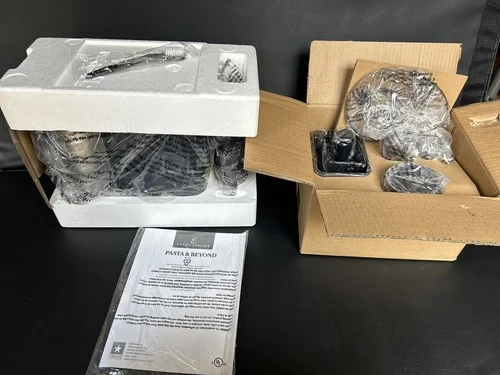
For the three catalog picks on this page, compare capacity, included shapes, preparation steps, and cleanup rather than choosing the largest specification. One model may offer faster automatic mixing and extrusion, another may provide more useful roller settings, and a third may be easier to store. The strongest option is the one whose advantages match your usual meals. Consider the pros and cons plainly: greater capacity can mean fewer batches but more counter space, while more accessories can increase versatility but also add cleaning and storage demands.
Cleaning, Noise, and Countertop Storage
Cleaning is one of the biggest differences between electric pasta machines. Extrusion models can leave dry dough inside the dies and around the mixing paddle, so detachable parts and included cleaning tools are valuable. Never assume a component is dishwasher-safe; follow the manufacturer’s instructions, especially for parts containing seals, electrical contacts, or fine openings. Allowing dough residue to dry can make cleanup harder, so remove loose pieces soon after use and let stubborn residue firm up before brushing it away.
Roller machines usually have fewer dough-contact parts, but their rollers and cutters still need careful cleaning. Do not wash an electric body under running water, and avoid forcing knives or metal tools between rollers. A dry brush, soft cloth, and time to let dough fragments harden are often safer than aggressive scrubbing. If the design requires an attachment to be removed for cleaning, check that the release mechanism feels secure and is easy to operate.
Noise varies with the motor, gearing, dough stiffness, and countertop. Extrusion can be louder when the motor is working against dense dough, while a roller may produce intermittent mechanical noise as the dough passes through. If your kitchen has limited space, measure the machine with its lid, hopper, or handle in place, not just the main body. A model that fits beneath a cabinet but cannot be lifted out comfortably may not be as convenient as its compact dimensions suggest.
Before buying, decide where the machine will live and how often you will use it. A heavier unit can feel more stable during operation but may be impractical to move after every batch. A lighter model is easier to store, though it may need a non-slip mat or careful positioning. Also check cord storage, accessory compartments, and whether the parts can be stacked without damaging delicate cutters or dies. The best electric pasta machines are not simply the fastest; they are the ones that make fresh pasta easy enough to repeat.
FAQ: Best Electric Pasta Machines for Fast, Low-Effort Homemade Pasta
What is the best electric pasta machine for beginners?+
The best choice depends on whether you want fully automatic mixing and extrusion or a motorized roller that gives you more control. For beginners who prioritize low effort, look for an automatic model with preset programs, clear measuring guides, and dishwasher-safe removable parts.
Are electric pasta machines faster than hand-crank pasta makers?+
Yes, electric pasta machines can speed up mixing, kneading, rolling, or extruding, depending on the design. Automatic extruders usually require less hands-on work, while motorized rolling machines are often better for quickly making sheets, fettuccine, or lasagna noodles.
How much pasta can an electric pasta machine make at once?+
Capacity varies by model, but many home machines produce roughly 1 to 1.5 pounds of pasta per batch. Check the minimum and maximum flour capacity as well as the recommended batch size, especially if you usually cook for a large household or prefer small portions.
Are automatic pasta extruders better than motorized rolling pasta machines?+
Automatic extruders are convenient for producing shaped pasta with minimal effort, but they may offer fewer shape options and require more cleaning around the die. Motorized rolling machines are better for pasta sheets and traditional noodle shapes, though you still need to portion and guide the dough.
What should I look for when buying an electric pasta machine?+
Prioritize the pasta styles you make most, batch capacity, motor strength, speed controls, included dies or cutters, and the ease of removing and cleaning dough-contact parts. Also measure your counter and storage space, and check the machine's noise level if you plan to use it in an open kitchen.