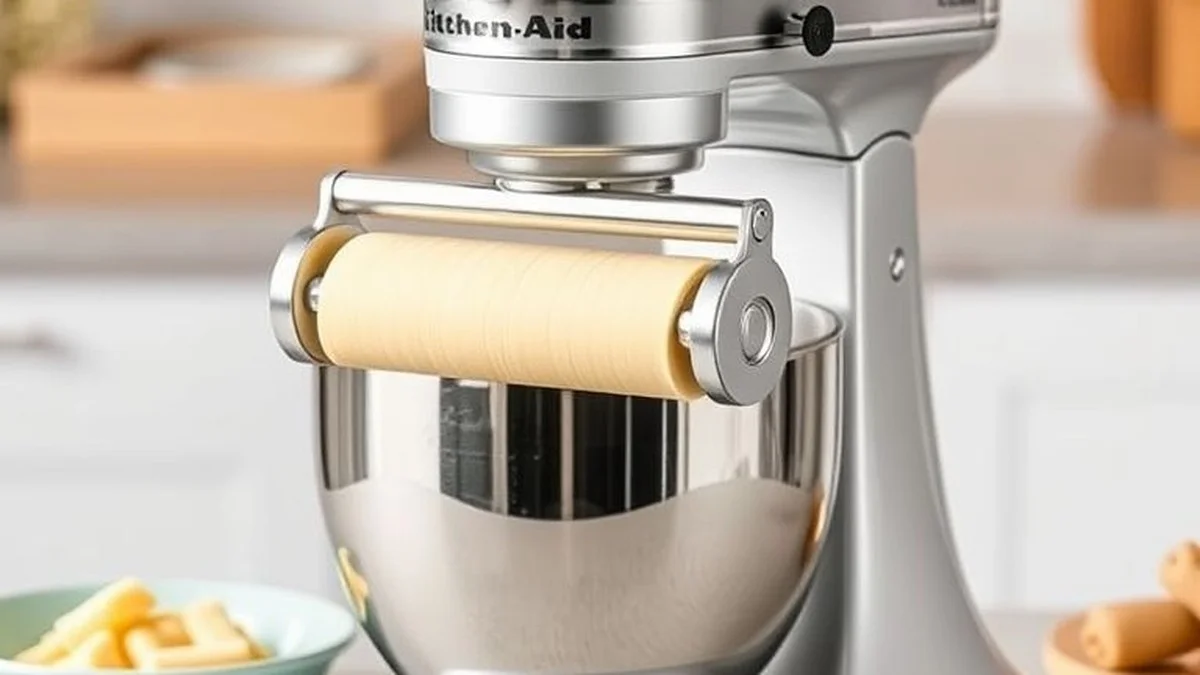
Best Pasta Machine Attachments for Stand Mixers
The best pasta machine attachments for stand mixers turn a labor-intensive task into a more manageable Kitchen project. A motorized mixer can keep the rollers moving at a steady pace while you guide the dough, leaving both hands available for feeding and catching pasta. The right attachment should match your mixer model, preferred pasta shapes, cooking habits, and available storage space. Before comparing catalog options, decide whether you mainly want smooth sheets for lasagna, thin strands for noodles, or a broader set that covers several everyday recipes.
Types of Stand Mixer Pasta Attachments
Most stand mixer pasta attachments fall into three categories: sheet rollers, cutters, and combination sets. A sheet roller flattens dough into an even strip that can be used for lasagna, ravioli, cannelloni, and hand-cut pasta. Cutter attachments add narrow or medium-width blades for shapes such as spaghetti, fettuccine, tagliolini, or similar Noodle styles. Combination sets include both functions and are usually the most versatile choice for households that make several types of pasta.
A roller-and-cutter set is not the same as a fully automatic pasta appliance. Stand mixer attachments still require you to mix and knead dough, divide it into portions, dust it appropriately, and guide it through the machine. Their advantage is control and integration with equipment many cooks already own. Electric Pasta Makers, by contrast, may mix, extrude, or shape dough within a dedicated appliance, but they take up more counter space and can involve different cleaning requirements.
Compatibility with Popular Stand Mixer Brands
Compatibility should be checked before comparing materials, cutter widths, or price. Attachments made for one brand’s power hub may not fit another brand’s connection, even when the external shape looks similar. Confirm the exact mixer series, attachment port, drive connection, and included adapter. A listing that says it fits a brand family may still exclude compact, tilt-head, bowl-lift, or older models.
Some catalog listings use names such as OxGord, 1000 Melochey, or Franterd, so treat the brand name as only one part of the compatibility check. Read the specification table and look for an explicit model list rather than relying on a photograph. If the listing is unclear, measure nothing and force nothing: contacting the seller with your mixer’s complete model number is safer than risking a poorly seated attachment or an incompatible hub.
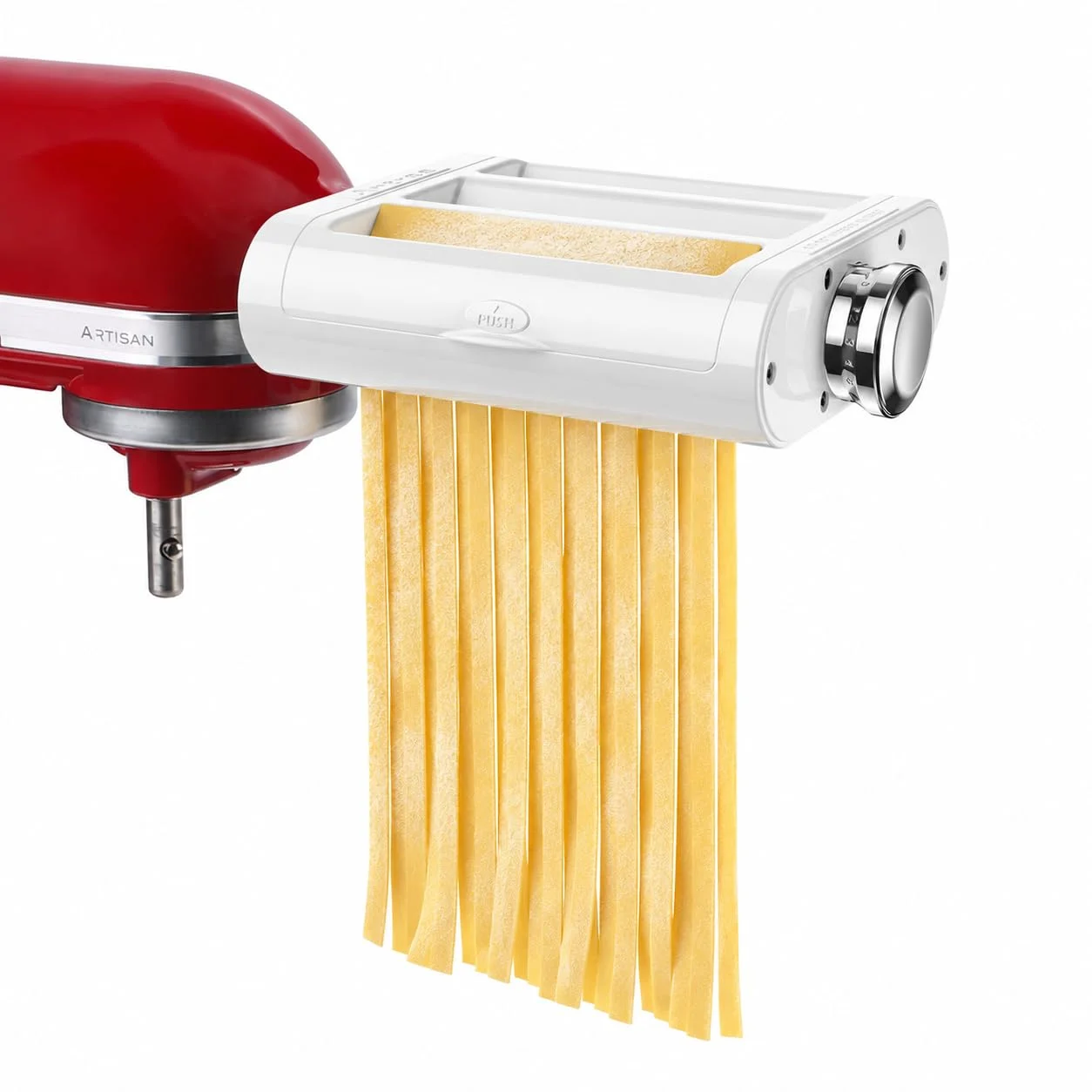
Construction details also matter. Stainless steel rollers and cutters are generally easier to wipe clean and less likely to retain flour than textured plastic surfaces, although the attachment’s gears, housing, and connection point may use other materials. Look for a firm locking mechanism, smooth adjustment dial, and clear instructions. A long warranty or readily available replacement parts can be more useful than a lower purchase price when the attachment will be used frequently.
Rolling and Cutting Attachments Compared
A roller attachment is the most flexible starting point. It allows you to create sheets at different thicknesses, and those sheets can be folded, filled, layered, or cut by hand. This is a good choice for cooks who make ravioli or lasagna more often than long noodles, or who want to experiment with shapes that standard cutters do not support.
A cutter attachment saves time when you regularly make a specific long pasta shape. Fettuccine-style cutters are useful for sauces that cling to broader strands, while narrower cutters suit lighter preparations. The trade-off is limited shape selection: a cutter does not replace a roller, because dough must be flattened to the correct thickness before it reaches the blades. A set with both a roller and cutter is therefore more practical for varied cooking, provided you have enough storage space.
Pay attention to the adjustment range and how clearly the settings are marked. The thinnest setting is not automatically the best setting; delicate dough can tear if rolled too aggressively, while thicker dough may remain dense or cook unevenly. Consistent results depend on dough hydration, resting time, flour choice, and gradual passes through the settings as much as on the attachment itself.
Choosing Attachments for Different Pasta Shapes
For lasagna and filled pasta, prioritize a roller with a useful range of thickness settings and a sheet wide enough for your recipes. Sheets should be smooth and even, with clean edges that can be trimmed or folded. Ravioli makers may prefer a roller-only attachment because it provides greater control over sheet thickness and filling, while a standard cutter may have little relevance to their routine.
For fettuccine, tagliatelle, and similar broad strands, choose a set with a clearly defined wide cutter and a matching roller. Broad pasta can handle robust sauces, but it should not be so thick that it feels heavy after cooking. For spaghetti-style strands, look for a narrower cutter and a dough consistency that will not clump as the strands emerge. A drying rack, clean towel, or lightly floured tray can help keep fresh strands separated before cooking.
Recommended products
Use these catalog picks as a shortlist for best pasta machine attachments for stand mixers. Compare measurements, materials, and return terms side by side instead of buying from a photo alone.
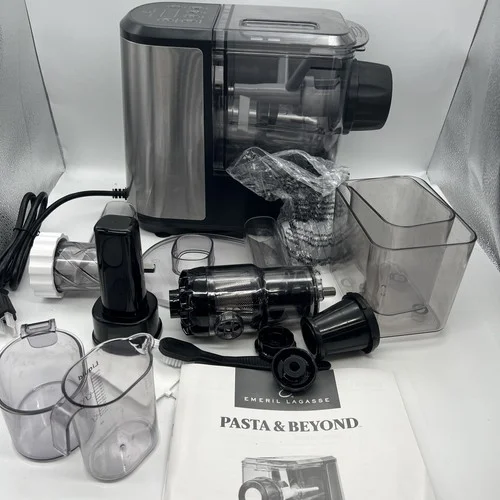

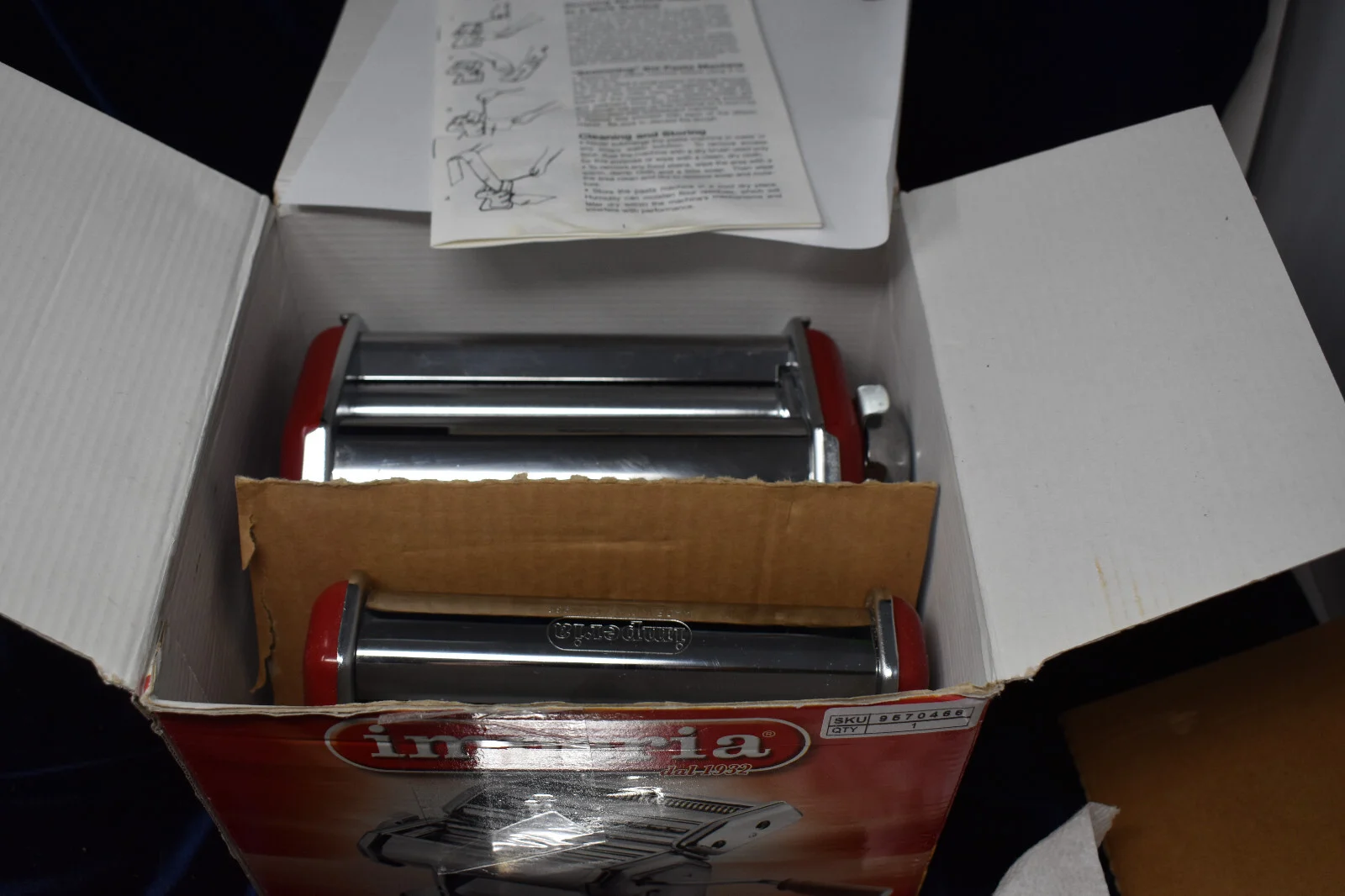
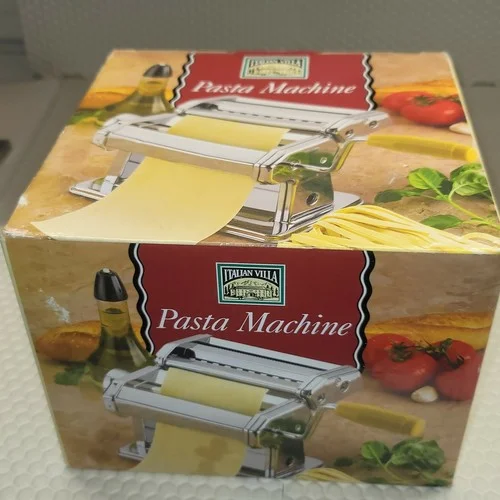
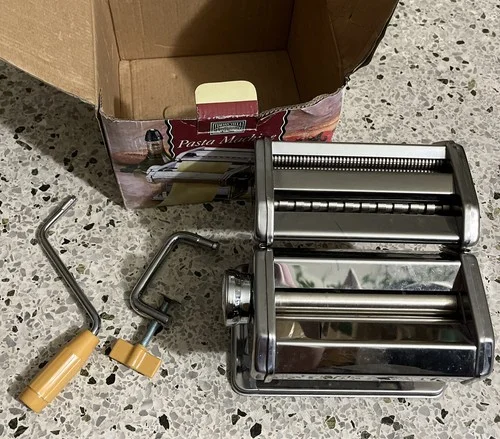
If you want unusual shapes, a basic roller can be more valuable than a large cutter set. Hand-cut pappardelle, maltagliati, and decorative pasta can all begin with a rolled sheet. Attachments designed for extrusion or specialty shapes may be attractive, but they often serve a narrower purpose and can add cleaning work. Choose the tool that supports the dishes you actually cook rather than paying for every possible shape.
How to Compare the Four Catalog Picks
When comparing the four catalog picks, use a simple pros-and-cons approach rather than selecting the set with the longest feature list. For each option, record the confirmed mixer models, whether it includes a roller, which cutters are supplied, the adjustment range, materials, warranty, and cleaning instructions. A lower-priced roller-only attachment may be a pro for occasional lasagna makers but a con for someone who wants quick fettuccine. A larger combination set may offer more versatility while creating extra storage and cleaning demands. Check return terms as well, especially when compatibility information is incomplete.
Cleaning and Storing Stand Mixer Pasta Attachments
Never assume a pasta attachment is dishwasher safe unless the manufacturer specifically says so. Flour and dough residue should usually be brushed away after the attachment has dried, because wet dough can smear into seams and become harder to remove. Avoid immersing a motorized connector or gear housing. Use a dry brush, soft cloth, or the supplied cleaning tool, and follow the manufacturer’s instructions for stubborn residue instead of pushing metal objects between rollers.
Do not wash rollers while dough is still lodged inside them. Let the residue dry, then turn the mechanism only as directed and brush it free. Excess oil can attract flour and dust, so lubrication should be used only when the instructions call for it. Before storing the attachment, make sure it is fully dry and keep cutters protected from knocks that could affect alignment.
Storage is easier when the set has a dedicated case, rack, or labeled container. Keep cutters and rollers away from heavy cookware, and store any adapter with the attachment so it is not misplaced. If the set will remain connected to the mixer between uses, confirm that it does not interfere with the bowl, lid, or other accessories. A little organization prevents scratches, missing parts, and rushed setup the next time you make pasta.
Which Pasta Machine Attachment Is Best for You?
Choose a roller-only attachment if you value filled pasta, lasagna, and creative hand-cut shapes. Choose a roller-and-cutter set if you want an all-purpose option for regular noodle-making and do not mind storing several components. For occasional use, prioritize confirmed compatibility, easy cleaning, and a stable connection over an extensive accessory bundle. Frequent cooks may benefit from stainless steel construction, a broad adjustment range, replacement-part support, and cutters suited to the sauces they make most often.
The best choice is the attachment that fits your specific stand mixer and supports your normal recipes without adding unnecessary complexity. Confirm the model number, compare the roller and cutter functions, review care instructions, and consider how fresh pasta will be dried and stored after cutting. With those checks completed, a stand mixer attachment can provide consistent sheets and strands while using equipment you already know how to operate.
FAQ: Best Pasta Machine Attachments for Stand Mixers
What should I look for in a pasta machine attachment for a stand mixer?+
Check that the attachment is compatible with your stand mixer model and offers the pasta functions you need, such as sheet rolling, fettuccine cutting, or spaghetti cutting. Look for sturdy rollers, smooth adjustment settings, and materials that are easy to clean and store.
Are stand mixer pasta attachments compatible with every brand and model?+
No, compatibility varies by brand and sometimes by mixer series. Confirm the attachment’s drive hub connection and manufacturer’s model list before buying, especially when comparing attachments for KitchenAid, Kenwood, or other stand mixers.
Is a pasta roller or pasta cutter attachment more useful?+
A roller is the most versatile choice because it creates sheets for lasagna, ravioli, and hand-cut noodles, while cutters quickly make specific shapes such as fettuccine or spaghetti. Many shoppers choose a roller-and-cutter set for flexibility, but a single roller may be enough if you prefer making varied pasta shapes by hand.
Which stand mixer pasta attachment is best for making different pasta shapes?+
Choose a roller for lasagna sheets, ravioli, and stuffed pasta, then add cutters for consistent spaghetti or fettuccine. For shapes such as farfalle, pappardelle, or maltagliati, a roller is usually more useful because you can cut and shape the dough manually.
How do you clean and store stand mixer pasta attachments?+
Let flour and dough residue dry, then brush or tap it away rather than rinsing attachments unless the manufacturer specifically allows washing. Store rollers and cutters in a dry cabinet or protective container, and keep removable pieces together so they are ready for the next use.