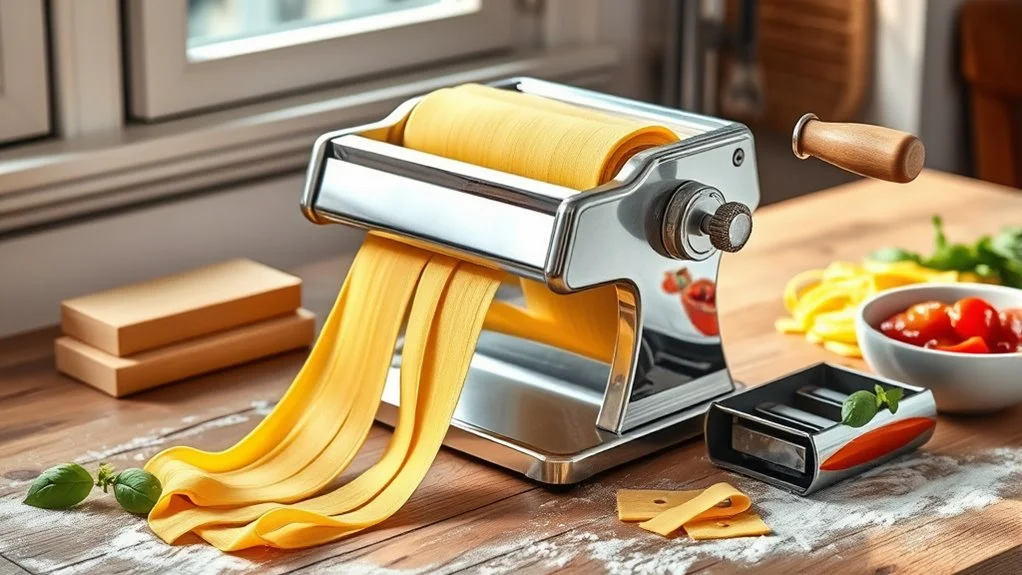
Best Pasta Machines for Beginners: Easy Models for Homemade Pasta
Making fresh pasta at home is much easier when the machine matches your cooking habits. The best pasta machines for beginners are straightforward to adjust, stable on the counter, simple to clean, and forgiving when dough is slightly too soft or too firm. A good starter model should help you learn the basics of rolling and cutting without requiring a large Kitchen setup or a long list of accessories.
Most beginner pasta machines fall into two groups: manual rollers operated with a hand crank and electric machines that use a motor or automate more of the process. Neither type is automatically better. The right choice depends on how often you expect to make pasta, how much counter space you have, and whether you prefer hands-on control or faster preparation.
What to Look for in a Beginner-Friendly Pasta Machine
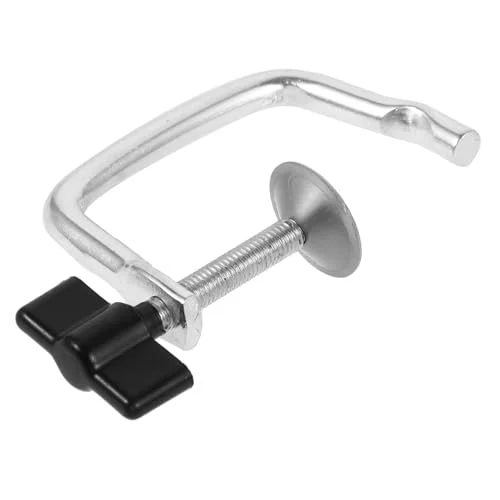
Start with construction and stability. A machine that shifts while you turn the crank makes even simple dough difficult to roll evenly. Manual models generally attach to a counter with a clamp, so check that the clamp opens wide enough for your work surface and tightens securely without damaging it. A broad base can also improve stability, particularly if you do not want to clamp the machine permanently.
The adjustment system matters just as much as the rollers. Beginners benefit from clearly marked thickness settings that move in consistent steps. The widest setting is useful for flattening a portion of dough, while narrower settings help create sheets for lasagna, ravioli, and filled pasta. Look for a selector that clicks firmly into place rather than one that feels loose or difficult to turn.
Consider the cutters included with the machine. A basic roller and a spaghetti-style cutter may be enough for a first purchase, while a wider cutter is useful for fettuccine or tagliatelle. Some machines accept optional attachments, but compatibility is not universal. If a catalog listing includes only a rolling roller, do not assume additional cutters will fit unless the manufacturer specifies it.
Size, storage, and included accessories
Measure the available counter and cupboard space before buying. A full-size machine can be easier to hold and clean, but a compact model may be more practical for occasional use. Useful accessories can include a clamp, hand crank, cutter attachment, cleaning brush, and dough-cutting wheel. A drying rack is convenient, although it is not essential; a clean rack, wooden spoon handles, or loosely arranged portions on a floured surface can also work.
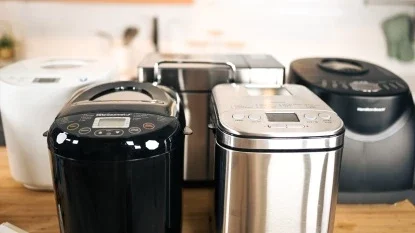
Manual vs. Electric Pasta Machines for New Users
Manual machines are usually the simplest place to learn. One hand turns the crank while the other guides the dough through the rollers, giving you direct control over speed and pressure. They are often quieter, easier to store, and less dependent on a power outlet. The main drawback is that rolling a large batch can require coordination, especially when working alone.
Electric Pasta Makers reduce the need to turn a handle and can be more comfortable when preparing several portions. Some use a motorized roller attachment, while others mix, knead, and extrude dough through shaped dies. Motorized rollers still require you to feed and guide the sheet. Extrusion-style machines can be convenient, but their dough texture and shaping process differ from traditional rolled pasta, so they may offer less flexibility for lasagna sheets or ravioli.
For most first-time buyers, a manual roller is a sensible choice if learning technique is the priority. An electric model may be preferable if speed, reduced hand effort, or frequent batch cooking matters more. When comparing either type, check the motor’s stated operating limits, the attachment-cleaning instructions, and whether replacement parts are available.
Best Pasta Machine Features for Easy Dough Rolling and Cutting
A reliable clamp and smooth rollers are the two features that most affect the learning experience. Rollers should turn without grinding or sudden resistance, and the dough should pass through without being pulled sharply to one side. A removable handle is useful for storage, while a handle with a comfortable grip makes repeated passes less tiring.
Look for cutters that release the pasta cleanly rather than crushing its edges. Clean cuts help noodles cook evenly and reduce sticking. The machine should also allow enough space below the rollers for you to catch the sheet without folding it back onto itself. If the sheet repeatedly curls or wrinkles, the problem may be technique or dough hydration, but a poorly aligned roller can make it worse.
When comparing the four catalog picks on this page, weigh the pros and cons against your routine rather than choosing solely by price. Compare manual control with motor assistance, the number of useful cutters with the amount of storage required, and the simplicity of cleaning with the range of pasta shapes available. Names such as OxGord, 1000 Melochey, and Franterd may appear among the options, so verify each listing’s included attachments, dimensions, materials, and return terms instead of assuming two similarly named machines offer the same setup.
Recommended products
Use these catalog picks as a shortlist for best pasta machines for beginners: easy models for homemade pasta. Compare measurements, materials, and return terms side by side instead of buying from a photo alone.
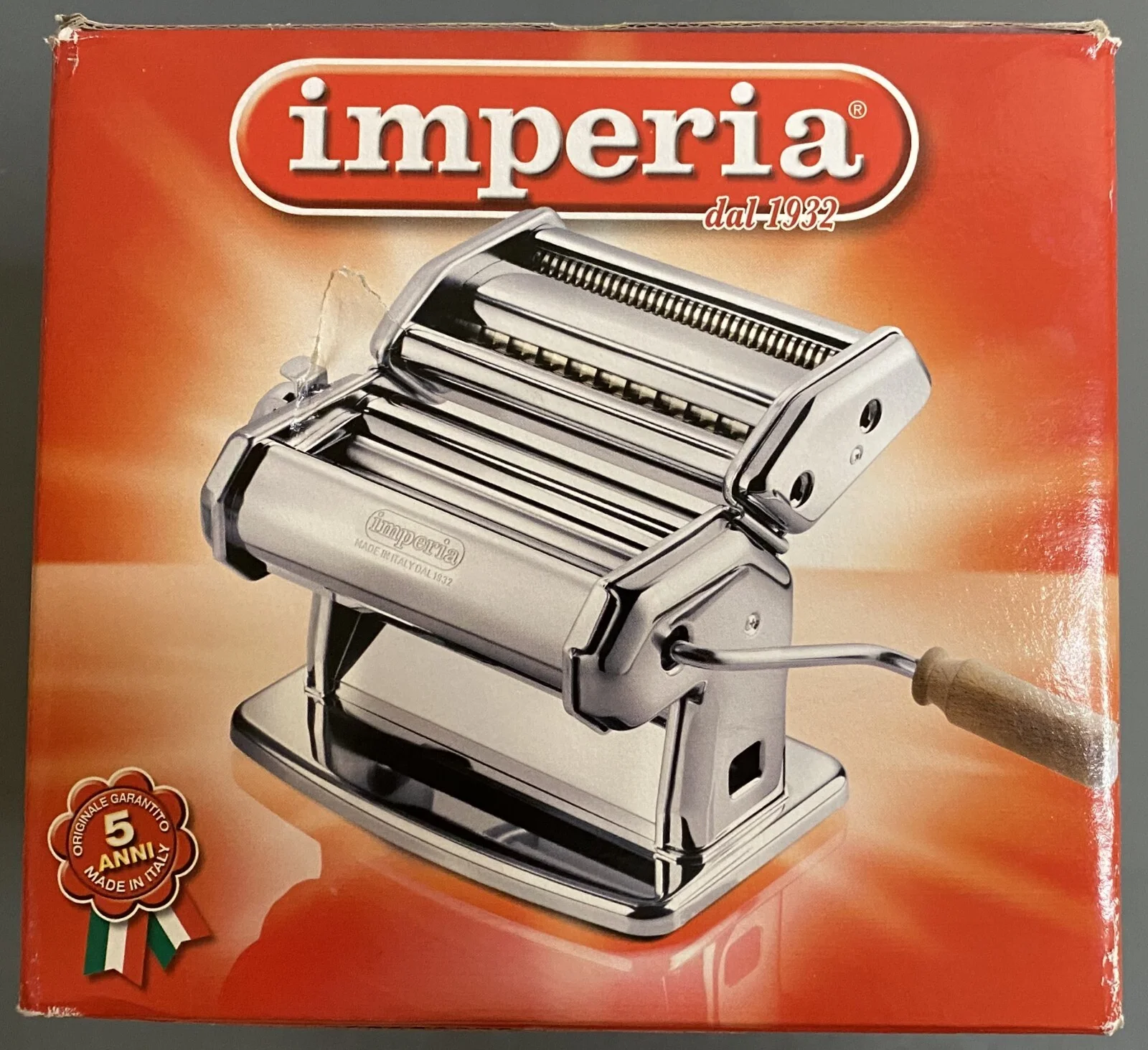

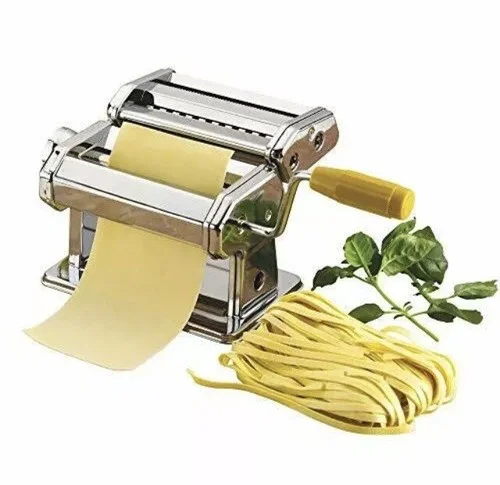
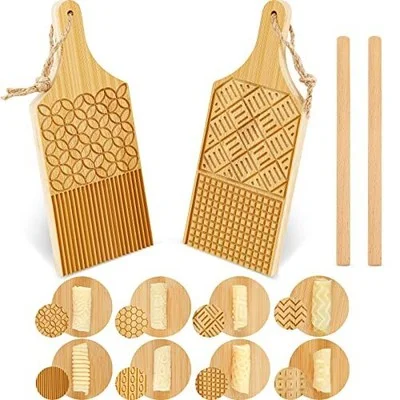
Material descriptions deserve careful reading. Stainless steel parts can be durable and easy to wipe, but a stainless exterior does not necessarily mean every internal component is stainless steel. Chrome-plated surfaces may be common on traditional machines. What matters most is whether the rollers and cutters are aligned, the housing feels solid, and the manufacturer gives clear care instructions.
How to Use and Clean a Beginner Pasta Machine
Begin with dough that is firm, smooth, and rested. Divide it into smaller portions before rolling, and flatten one portion by hand so it can enter the widest setting without catching. Feed the dough through, fold it if needed, and repeat until the sheet looks even. Then reduce the thickness one setting at a time. Dust lightly with flour only when necessary; too much flour can dry the surface and make cut Noodle strands brittle.
Once the sheet reaches the desired thickness, allow it to rest briefly if it feels sticky. Pass it through the chosen cutter, then separate the strands immediately and place them on a lightly floured tray or drying rack. Fresh pasta generally cooks faster than dried pasta, so watch it closely rather than relying on the timing used for boxed noodles.
Cleaning should be gentle and dry. Let any dough residue harden, then brush it away with a dry pastry brush or the tool supplied with the machine. A wooden skewer can help remove small pieces from cutter grooves, but avoid forcing anything between rollers. Unless the manual explicitly says otherwise, do not immerse the machine, run it under water, or put it in a dishwasher. Moisture can affect moving parts and leave residue in places that are difficult to dry.
Common Beginner Mistakes to Avoid
The most common mistake is using dough that is too wet. Sticky dough may cling to the rollers, while very dry dough can crack when it is narrowed. Adjust gradually with small amounts of flour or water, and give the dough time to rest before changing the recipe dramatically. Resting allows the flour to hydrate and makes the dough easier to handle.
Another frequent error is skipping the widest settings. Trying to force a thick piece of dough through a narrow gap can strain the machine and produce uneven sheets. Work progressively, keep portions manageable, and avoid pulling the dough as it exits. Let the rollers do the work while you guide the sheet gently.
Finally, do not cut pasta before the sheet has the right surface texture. If it is tacky, a small dusting of flour and a short pause can prevent strands from sticking together. If it is overly floured, the cutter may struggle to grip it. With a stable machine, gradual thickness adjustments, and careful cleaning, beginners can produce consistent homemade pasta without buying the most complex model available.
FAQ: Best Pasta Machines for Beginners: Easy Models for Homemade Pasta
What is the best pasta machine for a beginner?+
The best beginner pasta machine is simple to adjust, stable on the counter, and includes common cutters for shapes such as fettuccine and spaghetti. Look for clearly marked thickness settings, an easy-to-turn handle or straightforward motor controls, and parts that can be brushed clean without being submerged.
Is a manual or electric pasta machine better for beginners?+
A manual pasta machine is usually the better starting point if you want hands-on control and a lower price. An electric model can be easier when making larger batches or when you prefer powered rolling and cutting, but it may cost more and require more counter space.
What features should I look for in a beginner pasta machine?+
Prioritize a firm clamp or non-slip base, smooth thickness adjustments, and cutters that match the pasta you plan to make. A removable handle, clear setting markers, included drying or shaping accessories, and easy-to-clean construction can also make the first few batches less frustrating.
How do you clean a pasta machine after making pasta?+
Let any dough residue dry, then remove it with a dry brush, soft cloth, or wooden tool. Do not wash the machine or cutters under running water unless the manufacturer specifically says they are dishwasher-safe, and avoid using sharp objects that could damage the rollers.
What are the most common beginner mistakes when using a pasta machine?+
Common mistakes include using dough that is too wet, skipping the initial folding and rolling steps, and forcing dough through a setting that is too thin. Dust lightly with flour, reduce thickness gradually, and cut sheets only after they are smooth and easy to handle.