How to Choose Pasta Machines for Dinner Before Dayton Events
A homemade pasta dinner can be a practical way to host friends before an evening out, but the machine you choose affects nearly every part of the process. Consider how many people you are feeding, how often you expect to make fresh pasta, how much counter space you have, and whether you prefer hands-on preparation or quick, repeatable results. A well-chosen Machine should produce evenly rolled dough without making the cook feel rushed. It should also be easy to clean and stable enough that guests can gather in the kitchen without disrupting the work area.
What to Look for in Pasta Machines for Event-Day Meal Prep
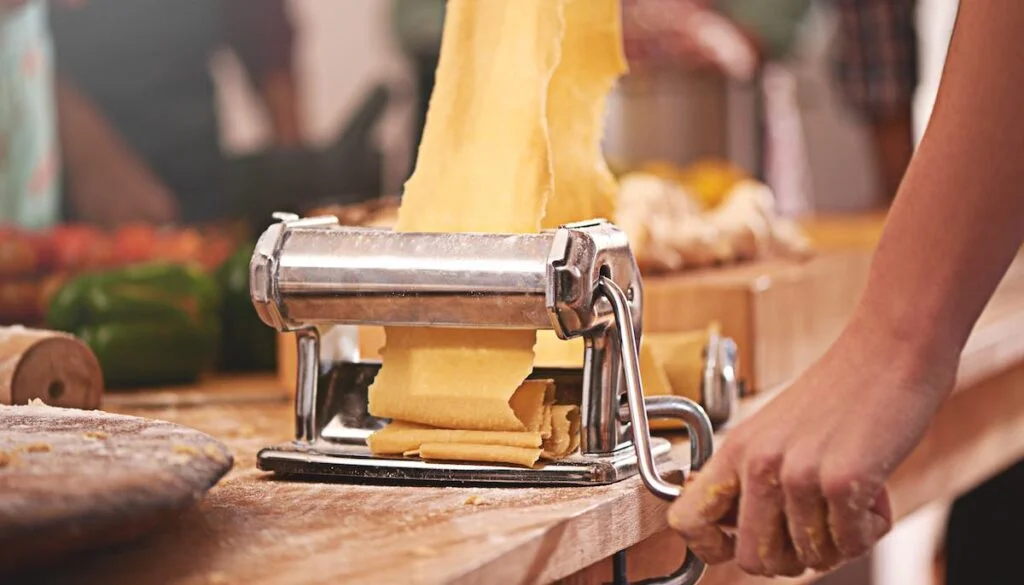
Start with the machine's construction and adjustment range. A sturdy frame, smooth crank, and clearly marked thickness settings make it easier to move from thick sheets for ravioli to thin sheets for tagliatelle. Pay attention to the width of the rollers as well. A wider roller can reduce the number of passes needed when preparing several portions, while a narrower model may be easier to store in a small kitchen. The best pasta machines feel steady on the counter rather than sliding whenever the dough becomes difficult to turn.
The pasta machine gears are another important detail. Metal gears generally offer better durability than lightweight plastic components, especially if you make pasta regularly or work with firmer dough. Look for a clamp that fits your counter and can be tightened without damaging the surface. Removable cutters are useful when you want flexibility, but they should attach securely and release without forcing the dough through an uneven opening. If you are comparing an Imperia model with another traditional hand-crank option, evaluate the overall stability, cutter design, and replacement-part availability rather than focusing on the brand name alone.
Event-day cooking also rewards simple controls. A pasta roller machine with a clear dial is easier to use when you are checking sauce, answering the door, or coordinating several dishes. Choose a model with a comfortable handle and enough clearance for your hands. If the machine includes cutters, confirm that they match the shapes you actually enjoy eating. Extra attachments can sound appealing, but unused accessories add storage demands and may make cleanup more complicated.
Manual vs. Electric Pasta Machines for Hosting Guests
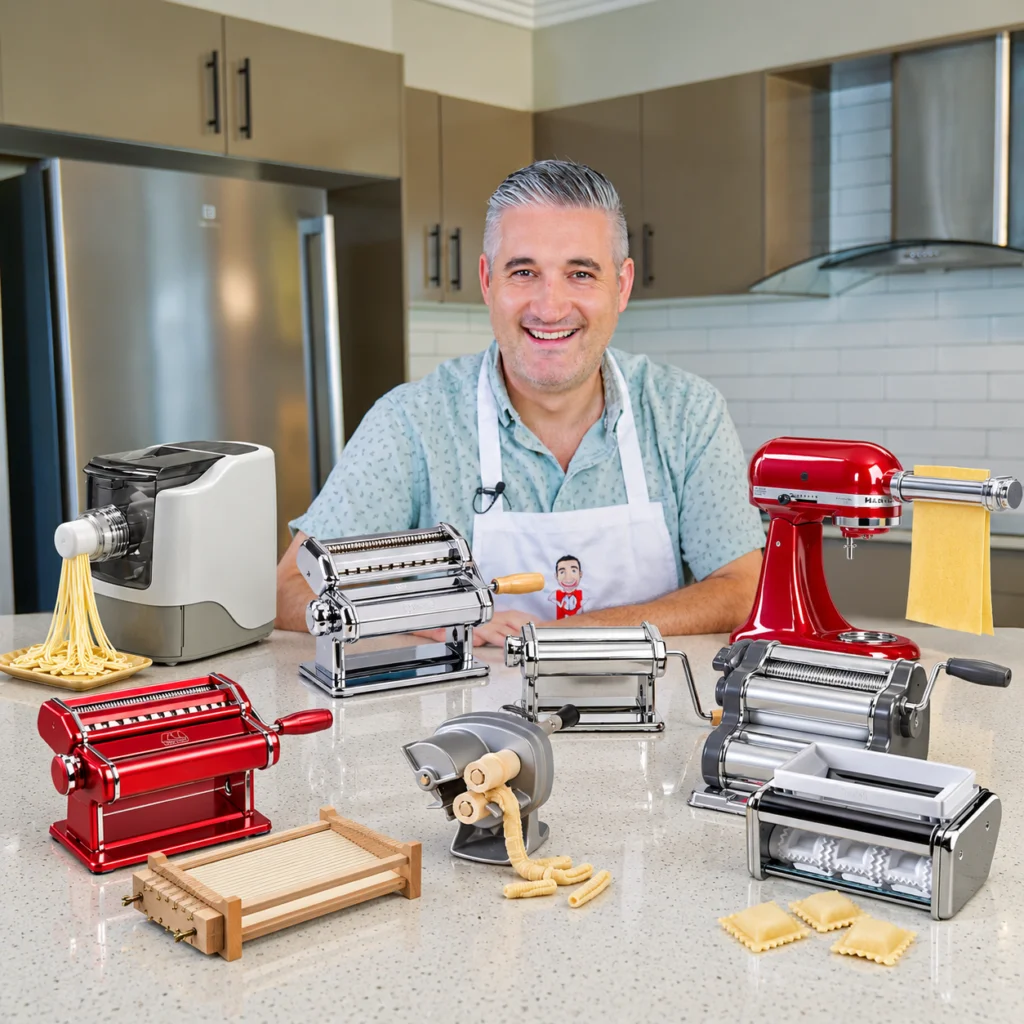
Manual pasta machines are often the best choice for occasional hosting. They are quieter, less expensive, and simple to put away after dinner. Rolling by hand also lets you control the pace and texture of the dough, which can be enjoyable when guests want to participate. The tradeoff is that one person must operate the crank while feeding the dough, so preparing large batches may take longer. A manual model works especially well for a dinner of four to six people when the dough can be made earlier in the day.
Electric machines are convenient when consistency and speed matter more than the ritual of making pasta. Some combine mixing, kneading, and shaping, while others use a motor to power a traditional roller. They can reduce physical effort, but they usually cost more and require additional counter or cabinet space. Check the motor's duty cycle, noise level, and cleaning instructions before buying. A powerful appliance is not automatically the best fit if it is difficult to lift, disassemble, or dry before you leave for the evening.
When comparing kitchen appliances, avoid assuming that one category's reputation transfers to another. Kenwood may be familiar to shoppers looking for countertop mixing equipment, while Omega Juicers is associated with a different type of preparation appliance; neither name alone determines whether a pasta machine suits your routine. Compare the actual specifications, warranty, included attachments, and user maintenance requirements. For most hosts, reliability and easy cleanup are more valuable than a long list of specialty functions.
Pasta Shapes and Recipes That Work Well Before Dayton Events
Choose recipes that can tolerate a little waiting time. Fettuccine, tagliatelle, and pappardelle are approachable shapes because the sheets are easy to cut and can be dusted with flour while you finish the sauce. Ravioli can feel festive, but it requires more assembly and careful sealing, so it is best when you have prepared the filling in advance. For a relaxed meal before Dayton events, a broad noodle with a simple sauce often provides the best balance between presentation and timing.


Plan about 3 to 4 ounces of dried-equivalent pasta per adult, adjusting downward if you are serving salad, bread, or a substantial dessert. Fresh dough generally uses flour and eggs, although hydration varies with the recipe and humidity. Make a small test sheet before rolling the full batch so you can correct a dough that feels crumbly or sticky. Letting the dough rest for at least 20 to 30 minutes makes it easier to roll and reduces the chance of spring-back. Keep finished strands in loose nests on a floured tray, but avoid leaving them uncovered for too long.
Sauce selection can protect your schedule. A tomato sauce, browned butter, pesto, or light cream sauce can be prepared while the dough rests. Avoid recipes that demand last-minute chopping or complicated reductions unless another guest can help. Fresh pasta cooks quickly, often in only a few minutes, so have the sauce warm and the serving bowls ready before the noodles enter the water. If you are going to the Funny Bone Comedy Club Dayton after dinner, choose a recipe with predictable cooking time and leave a comfortable buffer for serving and travel.
Cleanup, Storage, and Timing Tips for a Stress-Free Dinner
Read the cleaning instructions before using the machine for the first time. Most traditional pasta machines should not be submerged, and water can encourage rust or damage internal parts. Let excess flour dry briefly, then brush it away with a soft pastry brush or a clean dry cloth. Avoid forcing knives, forks, or wet towels into the cutters. If dough becomes lodged inside, allow it to dry and loosen naturally rather than turning a small blockage into a damaged roller.
A simple schedule keeps the meal from competing with your evening plans. Make the dough several hours ahead, rest it, and roll the sheets before guests arrive if possible. Store cut pasta in loose nests on a floured or parchment-lined tray, or freeze it in a single layer before transferring it to a container. Fresh pasta can stick when piled too closely, so use enough flour to separate strands without making the finished dish dusty. Keep sauce, toppings, utensils, and containers ready before boiling water.
Storage is part of the buying decision. Measure your cabinet or shelf before ordering, including the space needed for the clamp and handle. Keep the Machine dry and protected from heavy items that could bend attachments. If you choose an electric model, store the cord neatly and allow the motor housing to cool before putting it away. A compact manual machine may be more useful than a larger multifunction appliance if it is easy to reach and therefore more likely to be used.
Finally, test your complete process on an ordinary weekend before relying on it for a scheduled dinner. Make one batch, time the rolling and cooking, and note how much counter space the machine requires. This trial will show whether your preferred pasta shape, sauce, and serving size fit the evening. The right pasta machine is not necessarily the most expensive or feature-packed model; it is the one that gives you dependable pasta while leaving enough time to enjoy dinner and arrive at your event comfortably.