Pasta Machine Buying Guide: How to Choose the Right Model
The best pasta machine is not necessarily the most expensive or the most automated. The right choice depends on how often you make fresh pasta, which shapes you want to produce, how much counter space you have, and whether you enjoy the hands-on process of rolling and cutting dough. A useful Pasta Machine should make preparation more consistent without creating extra cleaning, storage, or setup work. Before comparing models, decide whether you want a traditional manual pasta machine, an electric unit, or an attachment that works with a stand mixer you already own.
Manual, Electric, and Attachment-Style Pasta Machines Compared
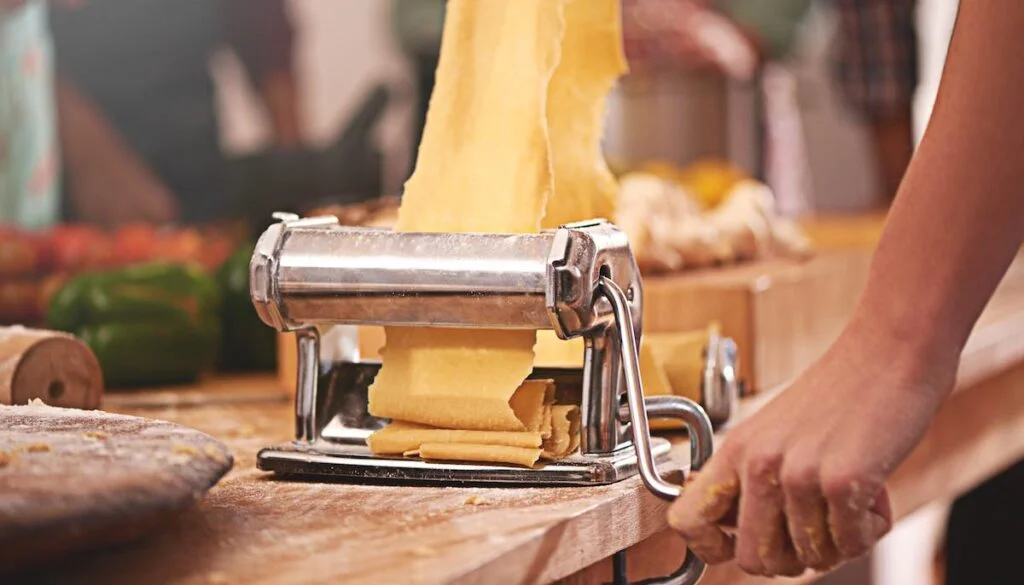
A manual pasta machine uses a hand crank to pull dough through adjustable rollers. It is usually the simplest option and offers direct control over the speed and pressure of each pass. Manual models are often a good fit for cooks who make pasta occasionally, have limited storage, or want the classic process of shaping dough by hand. They do require one hand to turn the crank, so rolling large batches can be easier with a second person or a firm, well-secured clamp.
Electric pasta machines automate some or all of the rolling and cutting. This can be helpful when you regularly make larger quantities or prefer a more streamlined workflow. Some electric models are motorized versions of a traditional roller-and-cutter design, while others mix, knead, and extrude dough through shaping discs. Those approaches produce different results: rollers are well suited to sheets and ribbon pasta, whereas extrusion machines can make short shapes such as macaroni or penne when the correct die is included. Check the machine’s actual shaping system rather than assuming that every electric model makes the same pasta.
An attachment connects to a compatible stand mixer and uses the mixer’s motor to power rollers or cutters. This can save counter space because the attachment may be smaller than a separate electric machine, and it can be convenient if you already own the matching mixer. Compatibility is essential, including the mixer series, connection point, and available speed recommendations. An attachment is not automatically the most economical option if you need to buy a mixer as well, and it may offer fewer pasta shapes than a dedicated extruder.
When comparing catalog picks, consider the practical pros and cons rather than relying only on the number of included accessories. A manual model may cost less and be easier to store, but it demands more effort. An electric machine can improve speed and consistency, but it adds motor noise, electrical components, and more parts to maintain. An attachment may integrate neatly into an existing kitchen, though its usefulness depends on compatibility and the accessories available for that specific system.
Which Pasta Shapes Can Each Machine Make
Roller-based machines generally begin by flattening a portion of dough into a sheet. The sheet can be cut into shapes such as fettuccine or tagliolini, depending on the cutter width. Sheets can also be used for lasagna, cannelloni, ravioli, and filled pasta, although ravioli usually requires a separate cutter, mold, or hand-forming method. Some machines include a wider cutter for noodles and a narrower cutter for finer strands, while others require accessories for additional widths.
An electric roller machine usually offers the same core shapes as a manual pasta machine, with the advantage of powered operation. It does not necessarily make round spaghetti, short extruded shapes, or filled pasta without extra equipment. Extrusion models use interchangeable discs or dies to press dough through a particular profile. They may produce spaghetti, bucatini, fusilli-style shapes, shells, or short tubes, but the available selection varies considerably by model and region.

A stand-mixer attachment is commonly focused on pasta sheets and ribbons. Some systems offer separate cutters or specialty attachments, while others are limited to rolling and one or two cutting widths. If a particular shape matters to you, look for the exact die or cutter in the box and confirm whether it is sold separately. Shape names can also be used inconsistently, so photos, dimensions, and manufacturer documentation are more reliable than a broad claim such as “multiple pasta varieties.”
Key Features: Rollers, Cutters, Settings, and Accessories
Roller adjustment is one of the most important features on a sheet-style machine. A range of thickness settings allows you to prepare delicate sheets for filled pasta, medium sheets for lasagna, and thicker sheets for hearty noodles. More settings can be useful, but the spacing between settings matters too. Look for clear, stable controls that do not shift while dough passes through the rollers. A numbered dial is convenient, but it should not be treated as a guarantee that one brand’s setting matches another’s.
Cutter design affects both shape and cleanup. Removable cutters can be easier to brush out and replace, while fixed cutters reduce the chance of losing small parts. Examine the width of the noodles, the spacing between strands, and whether the cutter is designed for dry or freshly made dough. Some machines include a hand crank, table clamp, and basic cleaning brush; a drying rack, ravioli accessory, or additional cutter may be optional.
For electric machines, consider motor power together with duty cycle and overload protection. A powerful motor is useful only if the machine can run for the amount of time your batches require. Controls should be easy to reach without placing fingers near moving rollers or cutters. For any Pasta Machine, inspect the feed opening, crank or motor connection, and the way dough is supported as it exits. A machine that requires excessive force may be difficult to use even if its specifications look impressive.
Choosing the Right Size and Build Quality
A compact machine is easier to store, but a narrow feed area may require more passes or smaller pieces of dough. Wider rollers can speed up sheet preparation and are useful for lasagna or ravioli, though they generally increase the machine’s footprint. Measure the available counter and cabinet space, including the clearance needed for a clamp, crank, motor, or attachment connection. If the machine will live in a cupboard, check its weight before buying; a heavy metal unit may feel stable in use but become inconvenient to lift regularly.
Construction quality is especially important around the rollers, cutter gears, clamp, and adjustment mechanism. Stainless steel or other corrosion-resistant metal parts are generally preferable for components that contact dough, while a sturdy housing can reduce movement during cranking. Avoid assuming that a metal finish means every internal part is metal. Read the specifications for the rollers and cutters, and check whether replacement parts are available.
Brands such as GSD and Goldspatz Germany may appear in comparisons of traditional pasta-making equipment, while Shule is another name shoppers may encounter when browsing pasta machines and related kitchen tools. Brand recognition should be only one part of the decision. Compare the exact model’s roller width, settings, included cutters, compatibility, warranty, and replacement-part support rather than judging the product from the brand name alone.
Pasta Machine Maintenance and Storage Considerations
Most roller-style machines should not be washed under running water unless the manufacturer specifically permits it. Moisture can damage internal gears or encourage corrosion. Let dough residue dry, then remove it with a soft brush, wooden stick, or the supplied cleaning tool. Never push a knife or metal utensil into the rollers, and do not force wet dough through a cutter designed for a firmer pasta mixture. Follow the manual for lubrication because some machines require occasional food-safe oil while others should remain dry.
Extrusion machines can require more cleaning because dough remains inside the chamber and shaping die. Look for removable parts that can be separated without excessive force. Some manufacturers recommend allowing dough residue to dry before removal, while others specify immediate cleaning. Follow those instructions, especially around motorized components. A removable attachment should be stored with its cutters, dies, and cleaning tools together so small parts do not disappear between uses.
Storage is part of usability. A manual pasta machine needs a secure place for its clamp and crank, while an electric model may require room for a power cord and multiple accessories. Keep cutters dry and protected from impact, and avoid stacking heavy cookware on adjustment knobs or delicate dies. If setup is awkward, the machine may be used less often no matter how well it performs. Choose a model whose cleaning and storage routine matches your actual kitchen habits, then verify the warranty and service policy before purchase.
FAQ: Pasta Machine Buying Guide: How to Choose the Right Model
What type of pasta machine is best for beginners?+
A manual pasta machine is usually the simplest starting point because it offers direct control over rolling and cutting without requiring a power outlet. Choose one with adjustable thickness settings, sturdy clamps, and included cutters for common shapes such as fettuccine and tagliolini.
Are electric pasta machines better than manual pasta machines?+
Electric pasta machines can save time and reduce hand-cranking, especially when making large batches or working with thicker dough. Manual models are often easier to store, provide more control, and cost less, so the better choice depends on your batch size, counter space, and budget.
Which pasta shapes can a pasta machine make?+
Most roller-style pasta machines make flat sheets that can be used for lasagna, ravioli, and filled pasta, while included cutters commonly produce fettuccine or spaghetti-style noodles. For shapes such as penne, rigatoni, or shells, look for an extruder-style machine or compatible shaping accessories.
What features should I look for when buying a pasta machine?+
Prioritize smooth rollers, several thickness settings, sharp interchangeable cutters, and a secure clamp or stable base. Check whether accessories are included, whether replacement parts are available, and whether the machine is compatible with your preferred dough and pasta shapes.
How do you clean and store a pasta machine?+
Let any remaining dough dry, then brush or wipe it away according to the manufacturer’s instructions; avoid immersing most machines in water unless they are specifically designed for it. Store the machine and cutters in a dry location, and choose a compact or detachable model if cabinet space is limited.